
Chemical Weapons Convention
The Chemical Weapons Convention (CWC) is a binding international disarmament and non-proliferation treaty with the objective to outlaw chemical weapons. A distinctive feature of the CWC is its robust verification regime, which helps to achieve the Convention's objectives.
What are chemical weapons?
Chemical weapons are toxic chemicals and their precursors, as well as munitions and devices for their release. Toxic chemicals are those that can cause death, temporary incapacitation or permanent damage to humans and animals. Precursors are chemical reaction components that are involved in the production of a toxic chemical at any stage. Chemical weapons are considered weapons of mass destruction and are outlawed under international law by the CWC.
Objective
The Convention prohibits the development, production, stockpiling, transfer and use of chemical weapons and requires the destruction of any stockpiles by its Member States.
Background
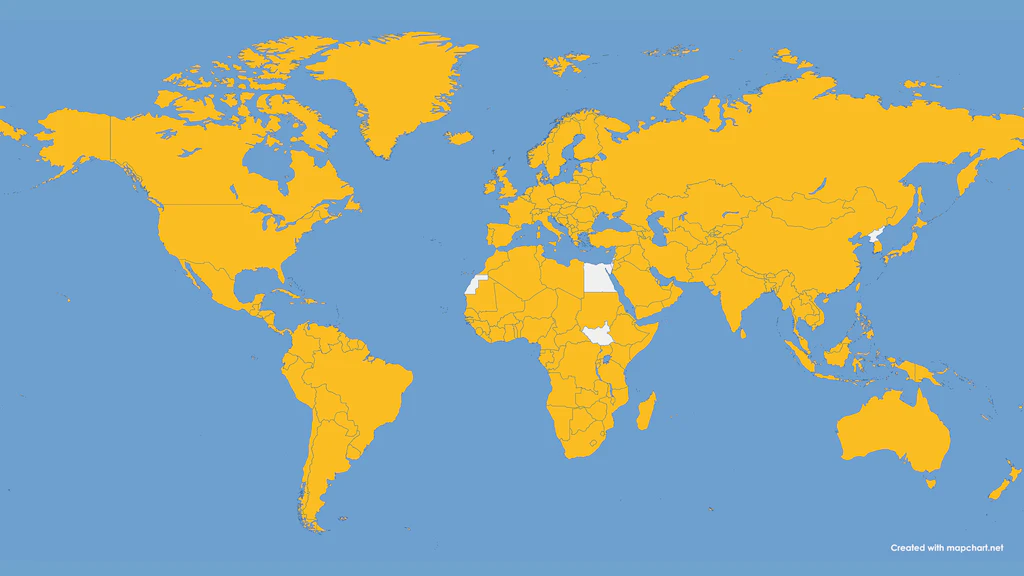
The CWC is binding under international law, and the 193 Member States are required to declare CWC-relevant activities and to permit inspections on their territory. Compliance with the Convention is monitored by the Organization for the Prohibition of Chemical Weapons (OPCW), based in The Hague.
In principle, any toxic chemical or precursor is defined as a chemical weapon unless it is used for activities explicitly permitted by the CWC (General Purpose Criterion). Thus, the Convention does not restrict the right of a State Party to produce and use chemicals for peaceful purposes. In addition, there are chemicals that pose a particular risk and are therefore subject to the CWC's verification regime. The controlled chemicals are divided into three lists, depending on their relevance to chemical weapons. In addition to these listed chemicals, certain organic chemicals and compounds are also subject to controls under the CWC.
Consquences for Switzerland
Switzerland participates in the annual Conference of the States Parties and, as required by the CWC, has designated a National Authority for its implementation. Its role is to assist in the monitoring of those activities that are not prohibited by the CWC.
The industry carrying out such activities is subject to certain declaration and inspection obligations. The export (as well as under specific conditions the import and production) of listed chemicals requires a license from SECO and the export of certain chemicals to non-Member States is prohibited.
Inspections are carried out by an OPCW multinational inspection team, which routinely monitors compliance by visiting companies in all State Parties that declare CWC-relevant activities. These inspections, which are announced at short notice, may include plant site inspections, review of the company’s records, and analysis of samples. In Switzerland, a team from the federal administration under the direction of SECO accompanies the OPCW inspection team.
Further Information
Index
Related Topics

Legal Basis and forms
Information on the legal basis, as well as forms and information sheets.

Export Control Regimes and International Treaties
Switzerland implements the disarmament and nonproliferation treaties and is a member of the four export control regimes.

Australia Group
The Australia Group aims to prevent the proliferation of chemical and biological weapons through internationally coordinated export controls.
Contact
Foreign Economic Affairs Directorate
Export Controls and Sanctions / Export Controls of Industrial Goods
Holzikofenweg 36
CH - 3003 Bern
Telephone service hours: Monday to Friday 9:00 AM - 12:00 PM and 2:00 PM - 4:30 PM