
Development cooperation in labour and employment
SECO implements development cooperation projects aimed at promoting fundamental labour standards.
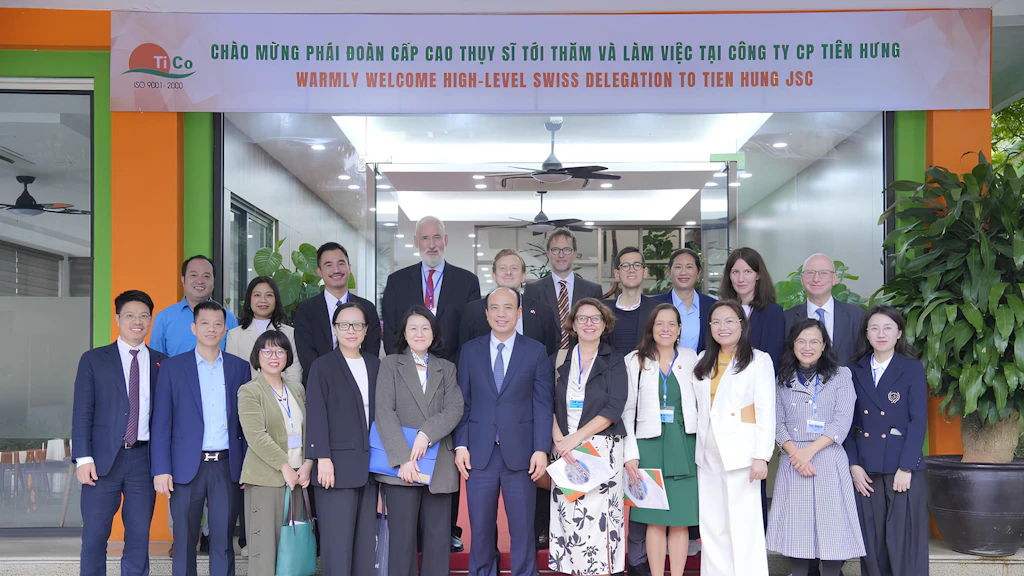
Companies operating in developing and emerging economies face a challenge: increasing productivity and competitiveness while improving working conditions for their employees – objectives that are not mutually exclusive. The collaboration between SECO and the International Labour Organization (ILO) shows that fair working conditions go hand in hand with higher incomes.
SECO supports four ILO projects
- Better Work
- Productivity Ecosystems for Decent Work
- Inclusive and Productive Employment in Moldova
- Productivity Ecosystems for Decent Work in Ukraine (is part of the Competitiveness for Recovery Ukraine Programme)
These projects make a significant contribution to economic development and poverty reduction in the countries concerned. SECO and the ILO actively support the engagement and participation of local partner organizations as well as internationally operating companies. The projects strengthen the implementation of fundamental labour standards within companies, across sectors and at the national level. Switzerland and the ILO have a bilateral development cooperation agreement, in force since April 2021. This agreement sets out Switzerland’s strategic priorities for joint activities within the framework of development cooperation and aims to ensure a coherent Swiss policy towards the ILO and its programmes. Switzerland supports the ILO in promoting sustainable enterprises and productivity, in creating decent jobs and addressing labour migration.
1. Better Work
In 2009, the Better Work programme was launched by the International Labour Organization (ILO) and the International Finance Corporation (IFC).
This programme supports export-oriented enterprises in the garment and textile sectors in comping with national and international labour legislation. In doing so, the project improves working and living conditions of thousands of workers. Better Work also enables enterprises, through a participatory approach, to engage more effectively in global trade and meet buyers’ requirements.
2. Productivity Ecosystems for Decent Work
Establishing a virtuous circle between productivity and decent work is essential for ensuring that economic growth leads to poverty reduction and improved living standards. Productivity Ecosystems for Decent Work aims to create and strengthen this virtuous circle. The programme tackles productivity and decent work deficits at the policy, sectoral and enterprise levels with a view to identifying win-win solutions that improve productivity and ensure gains are distributed fairly through social dialogue. To this end, it focuses on sectors with high potential for growth and the creation of decent jobs. The programme aims to achieve sustainable change by tackling the root causes of low productivity, particularly informality, and by strengthening the capacities of local stakeholders.
3. Inclusive and Productive Employment in Moldova
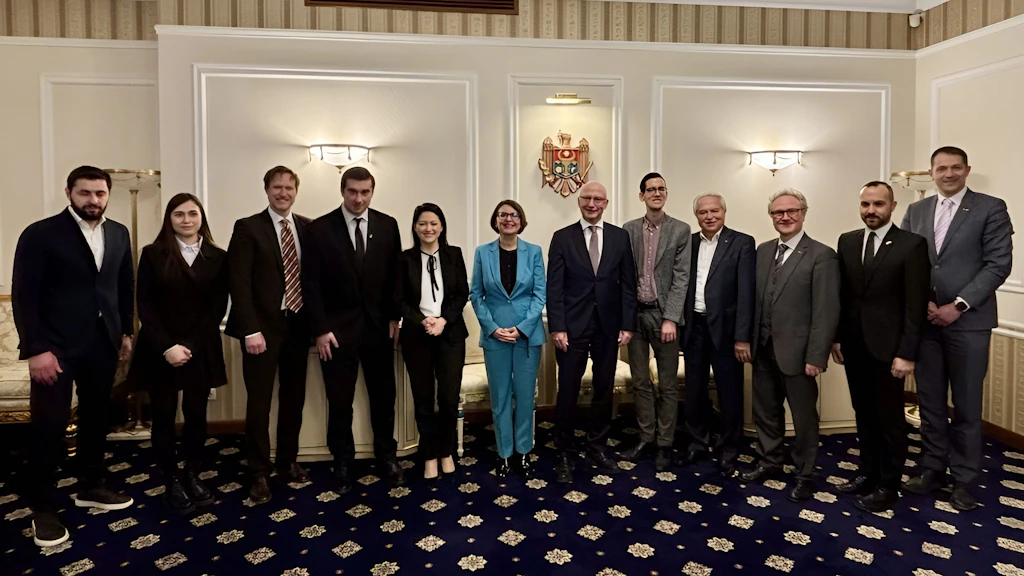
The project aims to support Moldova’s transition towards a more inclusive, productive and formal labour market, in line with international labour standards and relevant European standards.
Building on the results and lessons learned from Phase I (2022–2025), the second phase consolidates and expands successful interventions, including employment policy reform, business formalisation, productivity improvements in SMEs, and the strengthening of social dialogue. The project directly supports the implementation of the ILO’s Decent Work Country Programme (DWCP) for 2025–2027, Moldova’s EU accession process, and national development priorities.
4. Productivity Ecosystems for Decent Work in Ukraine
The International Labour Organization (ILO) is implementing a component of the broader ‘Competitiveness for Recovery in Ukraine’ programme, with the aim of integrating a labour market perspective. This component aims to strengthen labour market conditions and governance in support of competitiveness, by addressing labour market imbalances, improving labour mobility and enhancing job quality in selected sectors.
Further information
Index
Related topics
Contact
Labour Directorate
International Labour Affairs
Holzikofenweg 36
CH - 3003 Bern