
Nuclear Suppliers Group
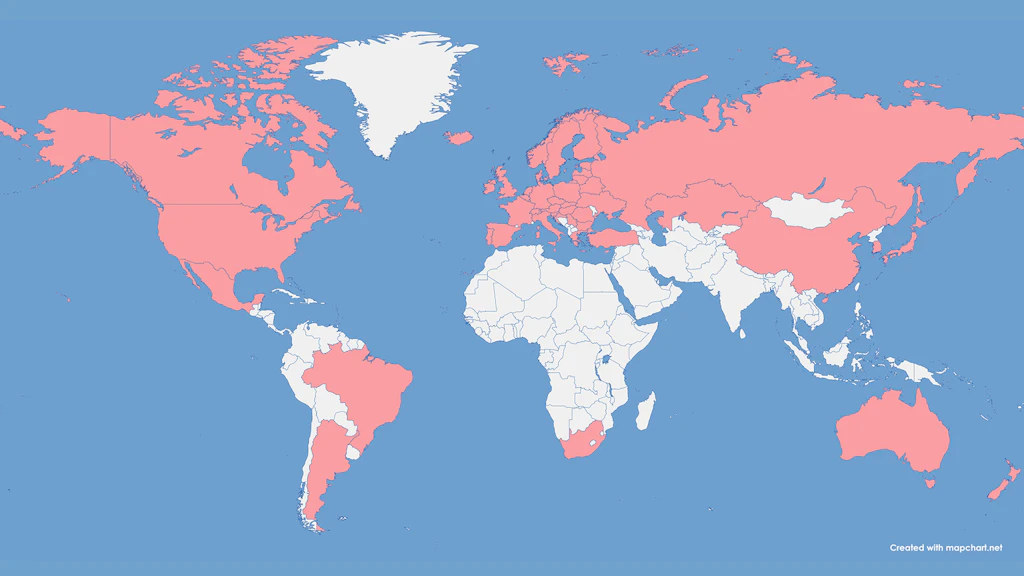
The Nuclear Suppliers Group (NSG) is an alliance of States with the aim of preventing the proliferation of nuclear weapons through internationally coordinated export controls.
What are nuclear weapons?
Nuclear weapons are nuclear explosive devices whose devastating effect on humans and the environment is based on the enormous energy released in the form of heat, pressure and radiation during nuclear fission or fusion. Nuclear weapons are considered weapons of mass destruction whose proliferation is regulated by the Treaty on the Non-Proliferation of Nuclear Weapons.
Objective
The Nuclear Suppliers Group (NSG) was founded in 1974 following the explosion of a nuclear weapon by a State not party to the Treaty on the Non-Proliferation of Nuclear Weapons (NPT), which demonstrated that nuclear technology transferred for peaceful purposes could be misused. The aim of the NSG therefore is to enforce the non-proliferation provision of the NPT.
Background
The NSG is not an international organisation based on a legally binding treaty, but a politically binding export control regime for the participating States, whose decisions are taken by consensus. Parallel to the NSG there is the Zangger Committee, which was founded in 1971 by a Swiss, Claude Zangger, and is also dedicated to export controls in the nuclear sector.
The export control measures coordinated by the NSG are laid down in two separate policy guidelines. NSG Part 1 includes the lists of actual nuclear goods while NSG Part 2 contains dual-use goods that can be used in the nuclear sector. The control lists are regularly reviewed and adapted to ensure their continued effectiveness.
Particularly strict export rules apply to actual nuclear goods, such as equipment for nuclear reactors and uranium enrichment plants. These may only be supplied to States whose nuclear facilities are fully subject to the safeguards of the International Atomic Energy Agency (IAEA). Dual-use goods should not be supplied if they could contribute to the production of nuclear weapons or if they would be used in a nuclear fuel cycle not controlled by the IAEA.
Explanatory videos
Further information
Index
Related topics

Legal Basis and forms
Information on the legal basis, as well as forms and information sheets.

Export Control Regimes and International Treaties
Switzerland implements the disarmament and nonproliferation treaties and is a member of the four export control regimes.

Classification of Industrial Goods
Information on the classification of goods and the export of firearms under the Goods Control Act.
Contact
Foreign Economic Affairs Directorate
Export Controls and Sanctions / Export Controls of Industrial Goods
Holzikofenweg 36
CH - 3003 Bern
Telephone service hours: Monday to Friday 9:00 AM - 12:00 PM and 2:00 PM - 4:30 PM