
Tariffs and origin
SECO is the centre of expertise for market access for agricultural and industrial goods. It helps shape international and national frameworks to remove barriers to trade and improve access for Swiss products to foreign markets.

Customs tariff policy
Switzerland's customs tariff policy aims to strike a balance between economic protection and openness. This policy is in line with international agreements.
Abolition of industrial tariffs
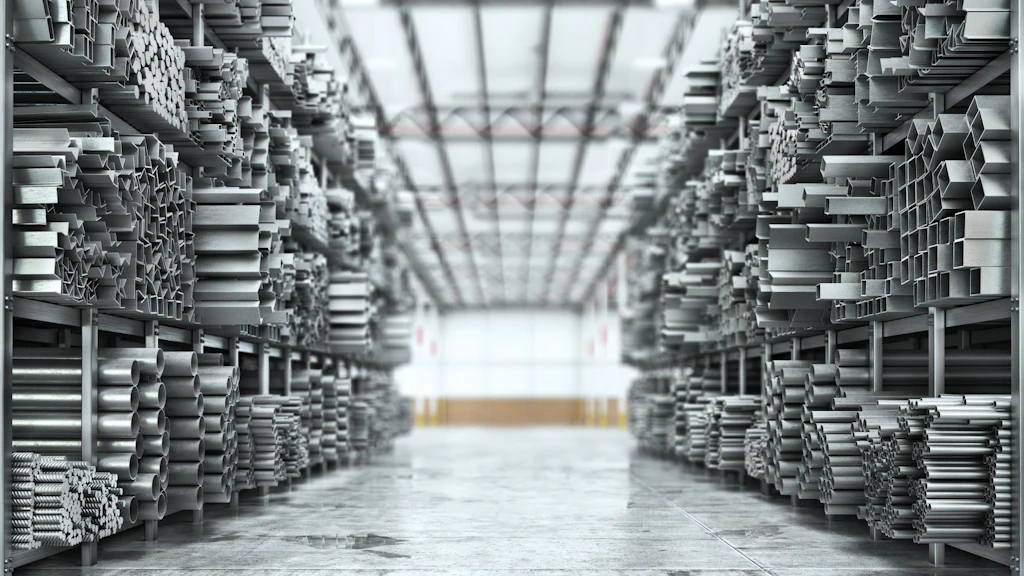
The abolition of industrial tariffs came into effect on 1 January 2024. The decision was made in February 2022 after Parliament passed the amendment to the law in October 2021.

Processed agricultural products
Customs duties on processed agricultural products are intended to compensate for the price disadvantage faced by the domestic food industry.
Non-preferential origin and Preferential origin
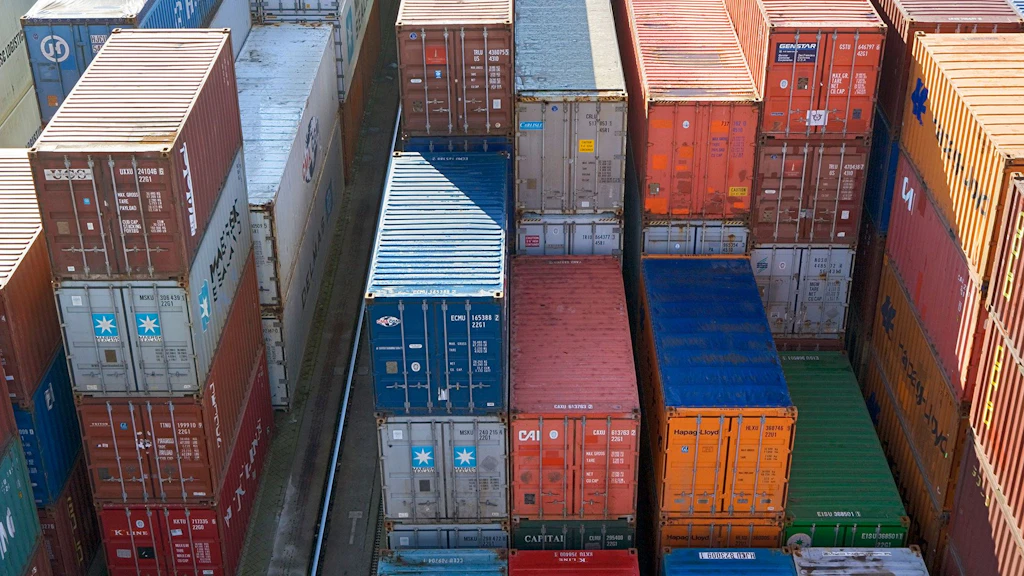
Customs tariff distinguishes between non-preferential and preferential origin. The former refers to trade without customs preferences, the latter to trade with customs preferences.

Trade facilitation
Trade facilitation measures are designed to simplify customs clearance in order to reduce costs. Switzerland strives to create efficient framework conditions and simple trade procedures.

Trade remedies
Many of Switzerland's trading partners deploy trade defence instruments such as safeguard, anti-dumping or anti-subsidy measures. Switzerland does not apply any such measures.

EU Carbon Border Adjustment Mechanism (CBAM)
From 2026, the EU will reduce the number of free emission allowances for energy-intensive industrial installations. At the same time, the CBAM will be introduced.

Use of free trade agreements
The EFTA Free Trade Dashboard summarises the most important information on the use of individual Swiss free trade agreements.
Contact
Foreign Economic Affairs Directorate
Special Foreign Economic Service / International Movement of Goods
Holzikofenweg 36
CH - 3003 Bern