
Technical Barriers to Trade
Technical barriers to trade are defined as obstacles to the cross-border movement of goods. These may arise from differing technical regulations (product regulations), differences in how such regulations are applied, or the non-recognition of conformity assessments carried out abroad. Technical regulations govern, for example, the characteristics, packaging, or production of products. They serve a public interest, such as the protection of health or the environment.

Foundations of technical barriers to trade
Switzerland aims to effectively reduce technical barriers to trade and facilitate market access for companies. To this end, a clear legal framework is in place, complemented by international agreements and providing guidance to businesses.

“Cassis de Dijon principle”
Switzerland autonomously introduced, and incorporated into national law through the Law on Technical Barriers to Trade, the “Cassis de Dijon principle”, which was developed by the European Court of Justice.

Mutual Recognition Agreements MRA
MRAs remove technical barriers to trade by facilitating the mutual recognition of conformity assessments. This eliminates the need for duplicate testing, facilitates market access and makes trade more efficient.

Conformity Assessment - Accreditation
Conformity assessment and accreditation ensure that products comply with technical requirements and are inspected by competent bodies. In Switzerland, this role is carried out by the Swiss Accreditation Service (SAS), which ensures that testing and assessments are recognised internationally.
Import Platform
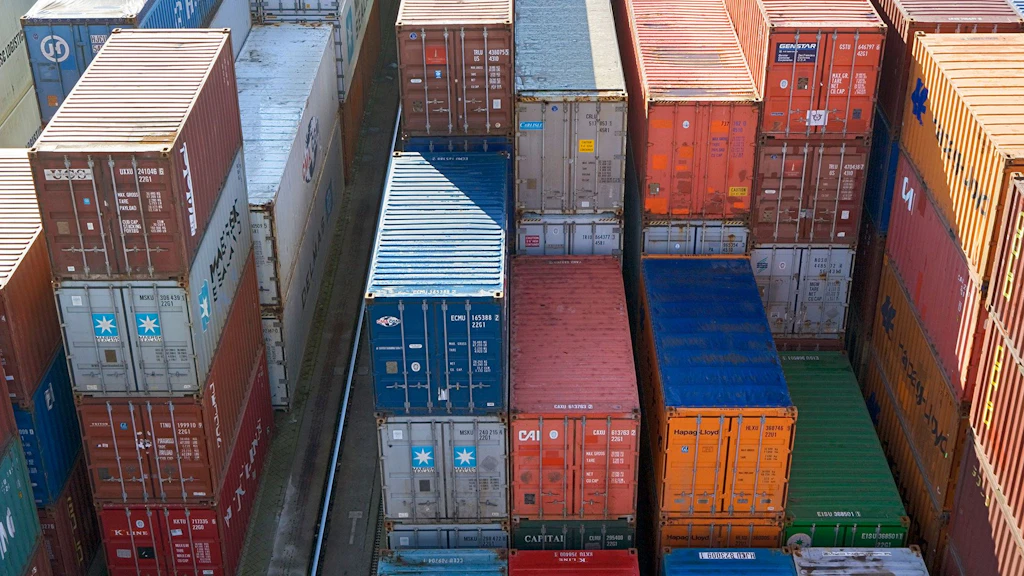
The import platform provides a centralised reference point for technical requirements and facilitates the placing on the market of products imported into Switzerland.
Contact
Foreign Economic Affairs Directorate
Special Foreign Economic Service / Non-Tariff measures
Holzikofenweg 36
CH - 3003 Bern